
How I (Don’t) Meal Plan
I don’t know about you, but I’ve tried a lot of meal planning methods over the years. I always followed the same pattern: I’d spend too much time making a plan, buy the groceries, and then promptly ignore the plan entirely. I’d be missing ingredients because I forgot them, or the store didn’t have a sufficiently “clean” option (side note: why are there additives in everything? Must heavy cream have gums in it, Costco?), or something hadn’t ripened or thawed, or simply because I didn’t feel like eating what I’d planned. Sometimes I just wasn’t up for making it and opted for something easier.
The common thread across every system was this: I wasted time planning and then felt like a failure (even when I had made a home-cooked meal! Silly). Over time, I stopped seeing it as a personal failure and started seeing it as a problem with my (lack of a) system. I decided to lean into one of my strength—improvising.
The trouble with improvising meals is that you either end up running to the store (or getting takeout) constantly, wasting a lot of food, or both. It's especially challenging when you live somewhere without easy access to health-food stores like us. We did Thrive Market for a while and loved having access to convenience health food; a time for everything). But there is another way. These are the three principles I use to limit waste, make a variety of meals my family enjoys (with a bit of repetition, which we don’t mind), and avoid grocery shopping more than once every week or two.
1. Keep Ingredients on Hand
This sounds obvious, but the key is keeping the right ingredients on hand—versatile foods that don’t go bad quickly and can be used in many ways.
For our family, a small sampling includes:
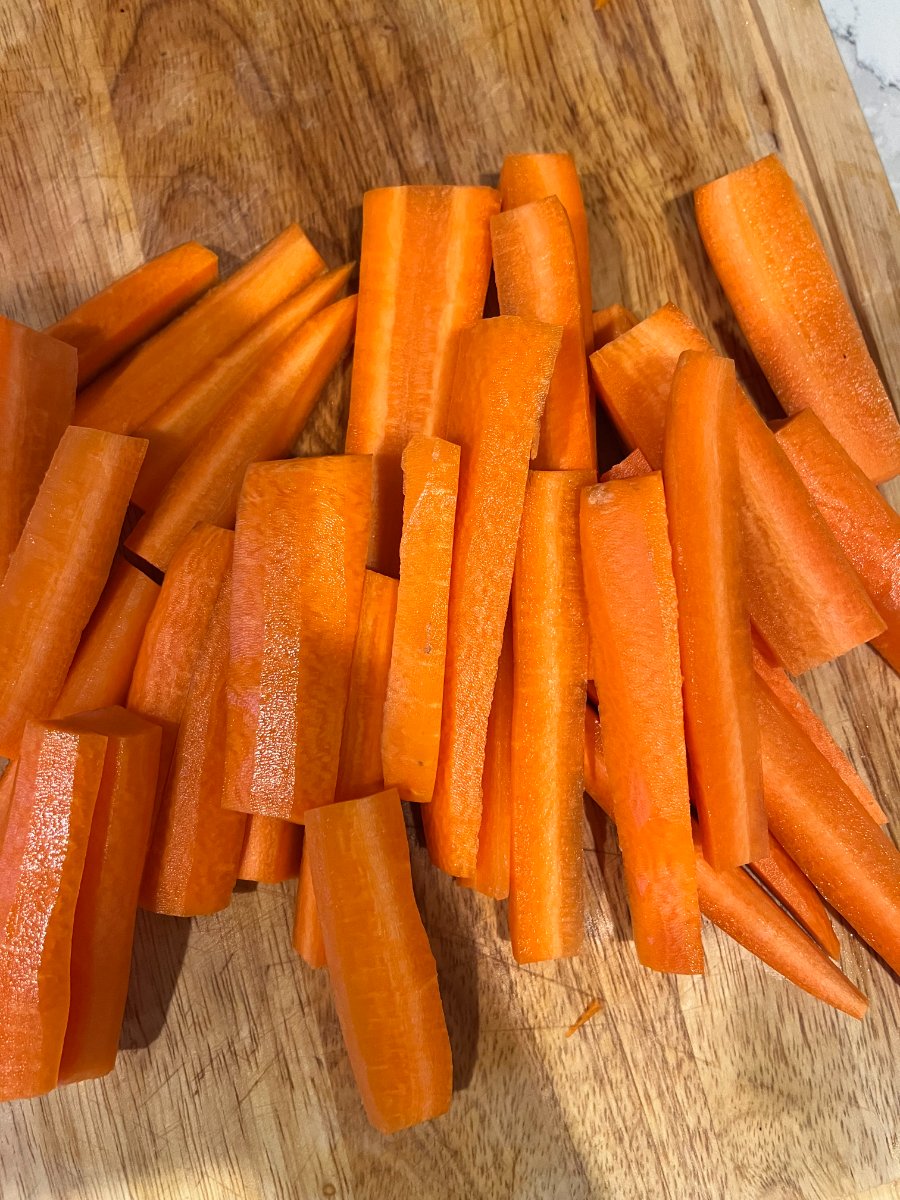
Fridge: milk, eggs, carrots, celery, sour cream, cottage cheese, yogurt (we eat a lot of dairy with two little ones).
Freezer: frozen fruits and vegetables, butter, ground beef, whole chickens, and other cuts of meat that go on sale or sound good.
Pantry: baking supplies (grains and flour, or flours if you’re gluten-free like me), sugar, honey, canned items—especially tomato products and canned fish or meat—spices, and pantry produce like potatoes, sweet potatoes, onions, and garlic.
The real key isn’t following my lists, but understanding what your family actually uses and enjoys. It’s a balance between having enough variety and not having so much that food gets wasted. A real-life example for me: I rarely buy purple onions anymore. Yellow onions are more versatile, and I almost never get through a whole bag of purple ones. If I’m somewhere besides Costco and I remember, I might grab one or two—but I know better than to buy a whole bag when I really just want one for fajita veggies.
Once you know what you always want to keep on hand, the system gets easy. When you run low on something, write it down immediately. I keep a pen and a magnetic list on the fridge so nothing lives only in my head.
2. Buy a Range of Produce (and Store It Well)
When I go to the store, I’m usually aiming not to return for about two weeks. To make that work, I buy two kinds of produce every time.
First, short-lived items: berries, broccoli, greens, soft fruits.
Second, hardy items that last weeks or even months: squash, carrots, celery, apples.
This way, we always have something fresh on hand—even later in the week—without everything spoiling at once.
How you store produce matters just as much as what you buy. I wash most fruits and vegetables in a vinegar-water rinse and dry them well before storing. Some things do better stored together—like avocados with lemons to slow ripening—while others need airflow or separation. A little intention here dramatically extends the life of your produce and reduces waste.
I also recently started a small backyard vegetable garden, which has been so fun. Having lettuce, chard, kale, and fresh herbs on hand makes even simple meals feel special. And I happily fill in the gaps by thawing frozen fruit from Costco in a bowl in the fridge—hooray for peaches in winter without canning anything.
Less trips to the store also saves money. Unless you're careful in a way most people (myself included) aren't, there is built-in extra spending just by walking in (or logging on) to a grocery store. Especially if you're hungry. Or moving through at a crawl with toddlers. Did I mention I'm not a huge fan of grocery shopping?
3. Pay Attention and Rotate
This is the trickiest part at first, so give yourself time. Pay attention to what actually gets eaten and what doesn’t. Use what you have on hand, experiment, and learn from trial and error. For example, I eventually realized our family almost never eats garbanzo beans. So we either needed to make a lot of hummus or donate what we had—and make a mental note not to buy them again.
This is also why simple recipes matter. Stick to meals without elaborate steps or specialty ingredients so you’re not left with a fridge full of food and nothing that comes together easily.
Different seasons make this trickier, but there are ways to adapt without being home all the time. One helpful step is doing a larger prep day once or twice a month. That might look like baking muffins, prepping freezer snacks, cooking and shredding meats, or making marinades and sauces. Anything you can freeze helps. Adapt this to your family’s preferences and your freezer space.
I love that with this approach, I can prep when I feel up to it and always have something on hand for busy days.
Use What You Have
This applies to most foods, but dairy is a great example. There is almost always a workable substitution. Blended cottage cheese, sour cream, Greek yogurt, cream cheese—they’re often interchangeable. The same goes for cream, half-and-half, and whole milk, with a few obvious exceptions (you can’t whip milk or make ice cream with it, sorry).
It also helps not to buy multiple versions of the same thing. Instead, buy the main ingredient. A block of cheddar can be sliced or shredded as needed, lasts longer, and is more likely to be free of additives like mold inhibitors (essentially micro-dose antibiotics).
This flexibility is why I love baking things like muffins. You can make five substitutions and they still turn out great: applesauce, banana, butter, honey, yogurt—it all works. Just pay attention to salt and sweetness, and aim for the right semi-liquid texture. If something isn’t perfect, make a mental note and try again next time.
It might sound counterintuitive, but I actually find it easier to make my own bread, muffins, cookies, and snacks. I don’t have to keep all those items on hand. I just keep the same set of staple baking ingredients stocked. From there, I can make cakes, brownies, cookies, muffins, breads, biscuits, cornbread, and more without buying anything different than I always do. No planning required beyond the day itself.
What Doesn't Work
The one thing I can't promise is a system that will work without you working it. Cooking healthy food for your family is a lot of work, but it doesn't have to be stressful or complicated. Keep on trying and adapting. Learn one new recipe at a time, and don't give up because it's hard. The only meal plans that are free from work are the kind that come in a box (which, if you can afford it and you're happy with the ingredients, more power to you!) But for the rest of us, I see you cleaning your kitchen for the 4th time today. Keep up the good work!
A Different Kind of Simplicity
This is just the way that works for me, but it's about knowing your household, stocking ingredients that work hard for you, and problem solving. Then when you know you like things a certain way, do that and ignore me. My way doesn't exactly save time, but it does save on planning and trips to the grocery store which saves my sanity.
If traditional meal planning has never worked for you, maybe the answer isn’t more discipline but a system you can work that fits your family and lets you cook freely without overthinking it.
If this article helped you, you can support Old Ways Today at no extra cost by starting your next Amazon order through our link.
Shop on Amazon & Support UsProducts We Recommend



Enjoying this article? Get more like it in your inbox.


What Do You Think?
Loading comments...