
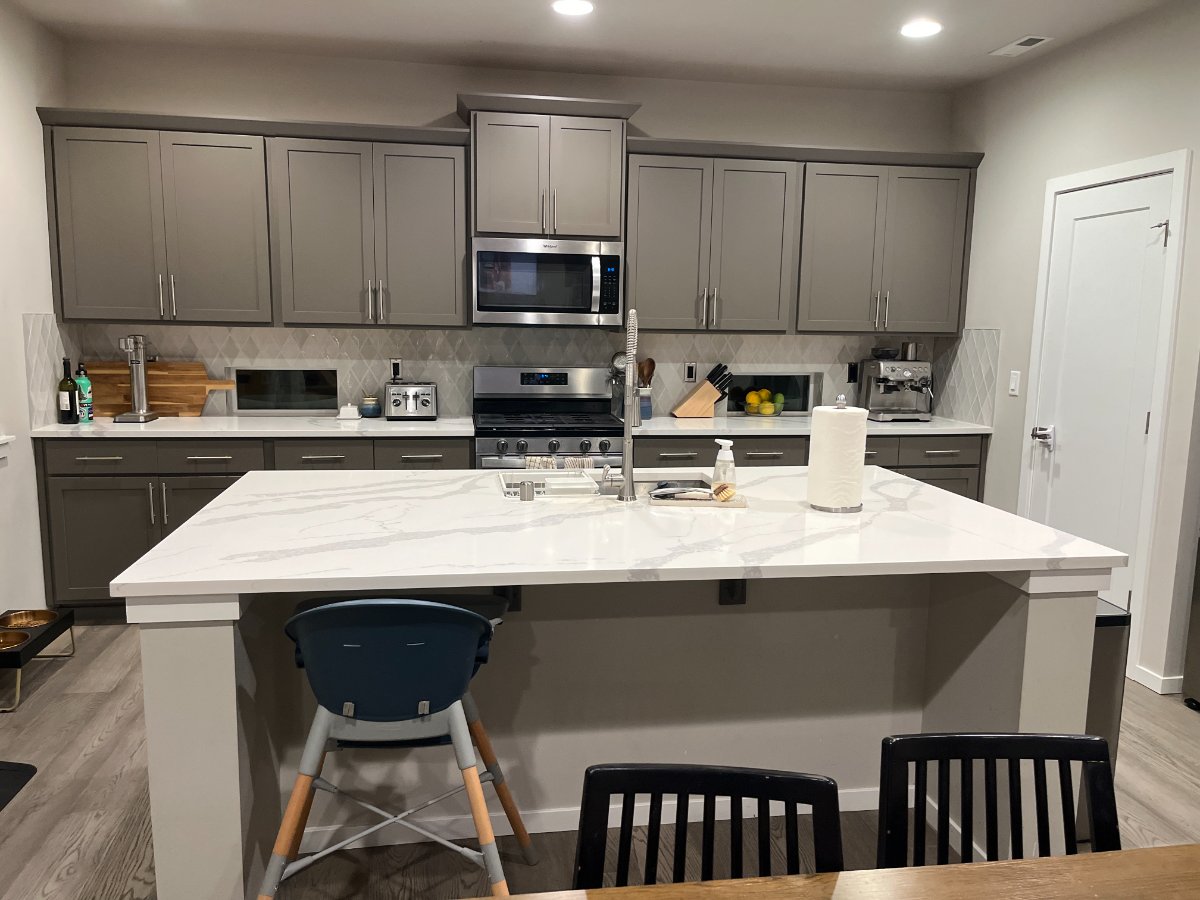
Kitchen Rules For Messy People
I run my dishwasher every single night.
That’s straight from Dana K. White (I loved How to Manage Your Home Without Losing Your Mind). Once you get over being embarrassed that you need a book with that title, it will change your life. It replaces the shame with a plan you can actually stick to. I appreciate that she understood, but also refused to let you be a victim. Dishes get dirty, so you must "do your dishes", as she says. Many of the following ideas are from her.
My morning rule (because I get distracted)
Maybe it’s just me, but mornings are when I’m most likely to get pulled in six directions at once. So I need an anchor:
Unload the dishwasher every morning.
It sounds small, but it changes the whole day. I try to unload while I make breakfast. I don’t wait for an uninterrupted stretch of time, but often I'll start and realize I'm done before I know it. It truly only takes 2 minutes. Seriously, time yourself some time. Then, since I unloaded the dishwasher, everything dirty can go straight in all day long. No dishes piling in the sink. And if they do, it only takes a minute to remedy.
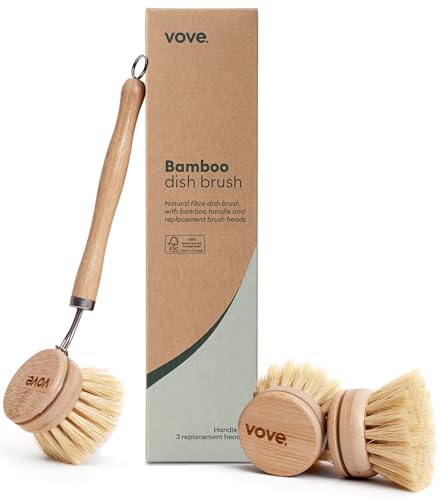
For motivation, I love this drying rack that fits over my sink. It's so satisfying to run your dishwasher before bed, and set the rack over your sink, and wake up to an empty countertop. Then I unload in the morning (including any dishes on the drying rack). It can easily go back on the counter, but when it's blocking half the sink, it acts as a visual reminder to put my dishes straight in the dishwasher instead of starting to fill the sink.
“Keeping up with small, daily rhythms frees my time and attention for the things that matter most.”
What counts as done rule for meals.
This, I got from software engineering, and though I realize creating a definition of done for meals is a little silly, but I needed it. I used to pack the kids in the car and go out without even putting the leftover sausage and eggs away and then come home and think, "Wow, what is the matter with me?". So now I have a simple list I refer to for what counts as done for meal. So I know what counts as "good enough" before we can do something else like walk to the park (and come back for lunch without feeling demoralized).
After each meal, I try not to start anything else until four things are done:
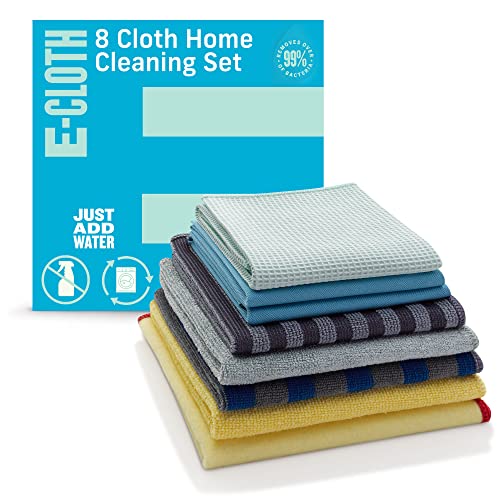
- Messy hands and faces wiped We use a million washcloths for the kids everyday since we try avoid paper towels. I love these soft cotton cloths for using on kids' faces and hands.
- Dishes in the dishwasher
- Table wiped
- Floor swept (at least under the table).
It’s just resetting the space back to "ready." I am much less productive and more overwhelmed when the kitchen is in the back of my mind, taking up mental energy. I should add that I try my very hardest to get these things done (and the dishwasher unloaded) even if we are running behind or have to be out the door. It takes less than 5 minutes and it's almost never worth it to skip.
A kitchen that works for a real family
The other thing is just an attitude adjustment (or do we call it a mindset shift now?) My kitchen is messy because a family lives here. That’s normal. Meals happen here. Snacks happen here. Art projects and baking experiments and a thousand tiny moments happen here. And it’s my job to manage the kitchen so it works for us and not the other way around. The best piece of advice I have—okay, this is from Dana K. White—for anyone struggling with feeling personally victimized by messes is just to do the dishes. do the laundry. Whatever the thing that is causing you so much grief. Just start doing it. Make it a non-negotiable. Build on the habits and enjoy the improvements, however small.
The dinner plan starts at lunch
Ok, my last tip, start dinner at lunchtime.
If you're not at home during lunch, substitute lunch for a time that is not 15 minutes before dinner needs to be on the table. It could be breakfast, the night before, or after school pickup. But for me, it's usually lunch. This works because I'm already in the kitchen, so my brain is better able to come up with food ideas (I don't know, but it's true). And more obviously, I can see what we have.
So what do I mean by start dinner? Make a plan for dinner and set it into motion now if necessary. I can check if we have the ingredients. I can pull out meat to thaw or put something in the slow cooker. Sometimes, it's as simple as deciding we can have that leftover rice and beef with some avocado and call it a day. Often, I simply decide what we're having and make a mental note (or better yet, set an alarm) for what time I need to start cooking to make dinner happen on time.
It doesn't have to be complicated, but everything It’s just avoiding being surprised at 5 o'clock that dinner has once again arrived.
The whole point: the way I run my kitchen supports my day.
If I unload in the morning, reset after meals, and make a dinner plan by lunch, then I have the structure of a day where my kitchen is working with my goals, not against them. And I’m free to do the other things I actually care about: being present with my kids, getting things done, spending time outside, and clocking off after bedtime in the evening without doing dishes for an hour.
"Instead of working my way out of messes, I feel calmer, more present, and able to direct my energy outward."
Until I started doing my dishes every night almost a year ago, I didn't realize how much the approach we take to managing our homes could matter so much. I sorta thought, it's good to clean things up and keep them that way, but if not, you can just catch up later. Now that I’ve changed my approach, I see how keeping up with small, daily rhythms frees my time and attention for the things that matter most. Instead of working my way out of messes, I feel calmer, more present, and able to direct my energy outward. I hope to keep building on the same principles in more and more areas of my life and home as I grow as a homemaker because the effect was stunning.
If this article helped you, you can support Old Ways Today at no extra cost by starting your next Amazon order through our link.
Shop on Amazon & Support UsProducts We Recommend


Enjoying this article? Get more like it in your inbox.


What Do You Think?
Loading comments...