
Best Non-Toxic Air Purifiers
Curated non-toxic air purifiers alternatives researched for ingredient safety and effectiveness
8 products in this category. View all Home & Living · Ask our AI
What to Look For
True HEPA, activated carbon for VOCs, no ionizers/ozone, appropriate size for room




Related Articles
New Year, Old Things
January invites both clearing out and gathering what lasts. A New Year’s Day table full of people, o...
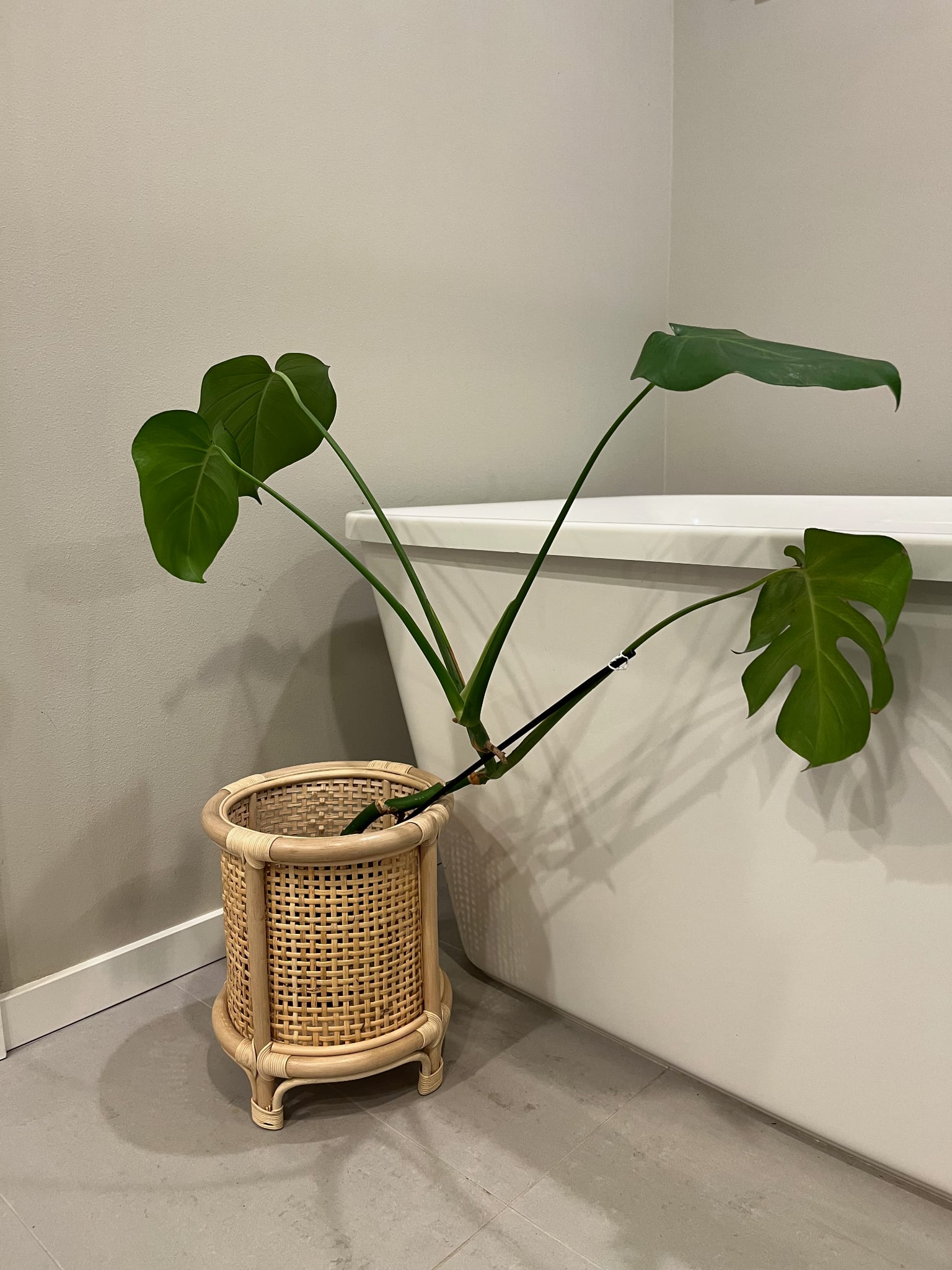
Rainy Sunday Refresh: H&M Home
A Rainy Sunday Refresh Excerpt / Preview A rainy afternoon, a food court lunch with kids, one last t...
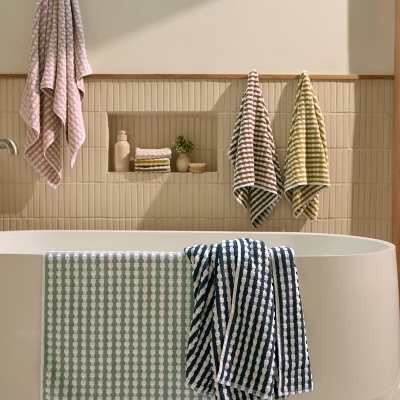
Target's New Parachute Collection Is a Win for Clean Sleep
Breathable, natural bedding just got easier to find — Target is launching a new Parachute Home coll...
How I (Don’t) Meal Plan
I quit forcing meal planning systems that never worked for me and embraced a simpler approach instea...
Frequently Asked Questions
What should I look for when buying non-toxic air purifiers?
1. Ozone generation 2. Filter type 3. Room size match
What ingredients should I avoid in air purifiers?
Ionizers, ozone generators, UV without shielding, undersized units
How do I care for non-toxic air purifiers?
Replace HEPA filters per manufacturer schedule (usually every 6-12 months). Carbon filters saturate and need replacing — they can re-release captured chemicals when full. Run continuously on low for best results. Size the unit for your room's square footage.
What greenwashing should I watch for with air purifiers?
"HEPA-type" or "HEPA-style" filters are NOT true HEPA — they capture far fewer particles. "Ionizer" and "plasma" purifiers can generate ozone as a byproduct. Look for actual HEPA H13 or H14 certification.
Trusted Brands
Austin Air, IQAir, Blueair, Coway, Winix (HEPA), Medify, Alen