
Best Non-Toxic Mattresses
Curated non-toxic mattresses alternatives researched for ingredient safety and effectiveness
6 products in this category. View all Home & Living · Ask our AI
What to Look For
Organic latex, organic cotton/wool, naturally flame-resistant, GOTS/GOLS certified, Greenguard Gold



Related Articles
New Year, Old Things
January invites both clearing out and gathering what lasts. A New Year’s Day table full of people, o...
Rainy Sunday Refresh: H&M Home
A Rainy Sunday Refresh Excerpt / Preview A rainy afternoon, a food court lunch with kids, one last t...
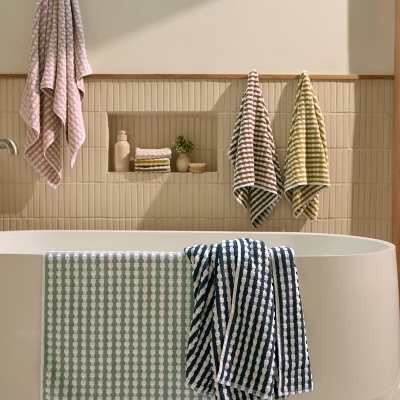
Target's New Parachute Collection Is a Win for Clean Sleep
Breathable, natural bedding just got easier to find — Target is launching a new Parachute Home coll...
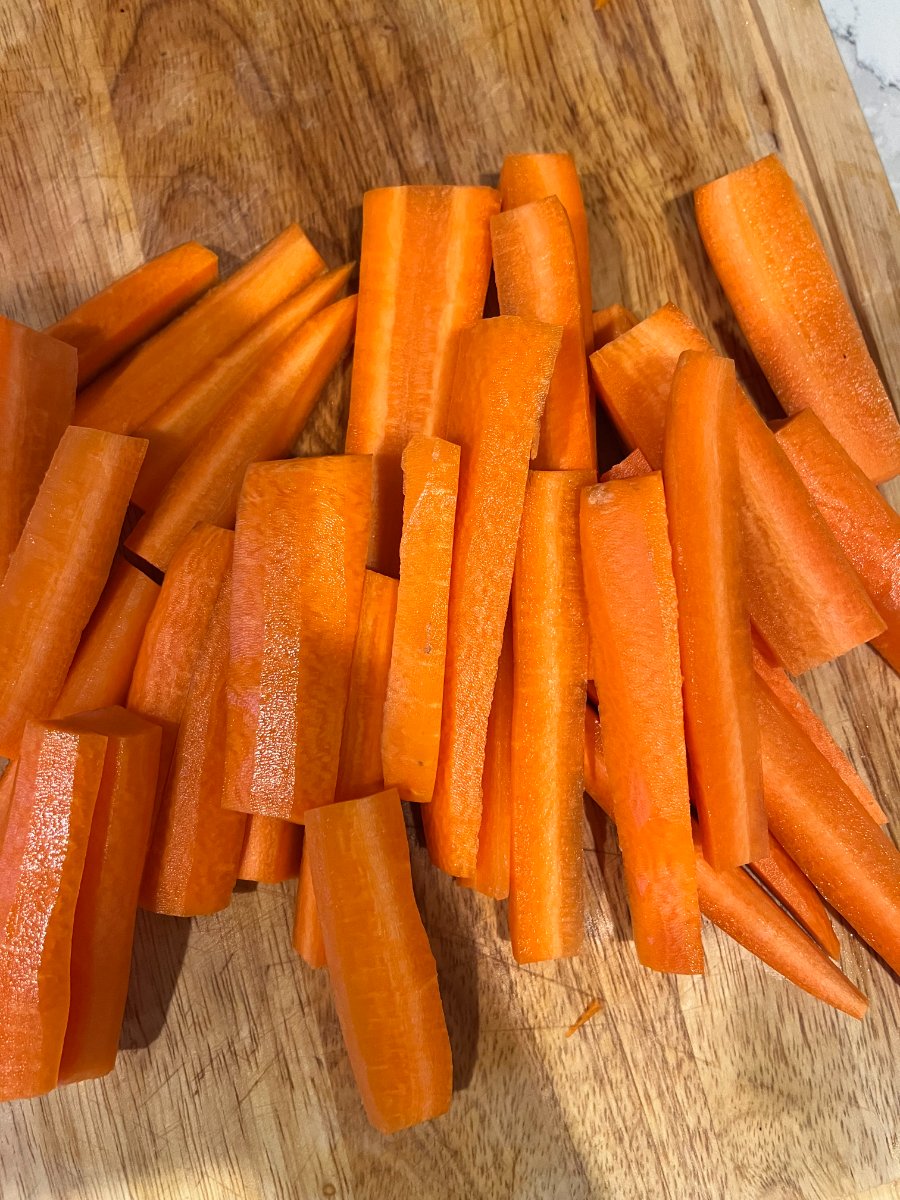
How I (Don’t) Meal Plan
I quit forcing meal planning systems that never worked for me and embraced a simpler approach instea...
Frequently Asked Questions
What should I look for when buying non-toxic mattresses?
1. Foam type and flame retardants 2. Waterproof barriers 3. Fabric treatments 4. Off-gassing duration
What ingredients should I avoid in mattresses?
Memory foam without certifications, vinyl covers, 'gel-infused' chemicals, vague eco claims
How do I care for non-toxic mattresses?
New mattresses should air out in a well-ventilated room for several days before sleeping on them. Use a mattress protector to extend life. Rotate every 3-6 months. Wool naturally resists dust mites and regulates temperature.
What greenwashing should I watch for with mattresses?
"CertiPUR-US" means foam passed basic tests but doesn't address flame retardants or cover materials. "Eco-friendly" and "green" mattresses are usually just marketing. "Plant-based foam" is still mostly petroleum — the plant portion is often under 20%.
Trusted Brands
Naturepedic, Avocado, Birch Living, Savvy Rest, Happsy, My Green Mattress, Spindle, Sleep On Latex