
Best Non-Toxic Food Storage
Curated non-toxic food storage alternatives researched for ingredient safety and effectiveness
16 products in this category. View all Kitchen & Pantry · Ask our AI
What to Look For
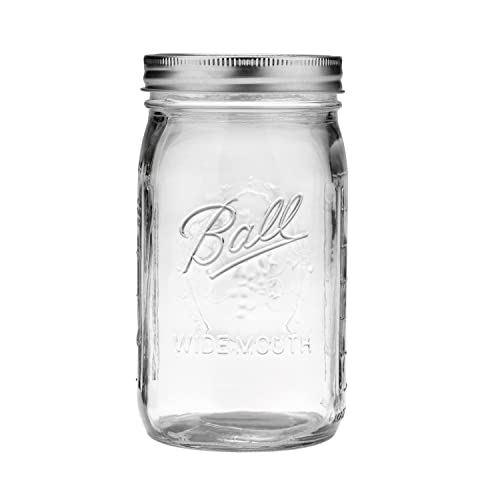
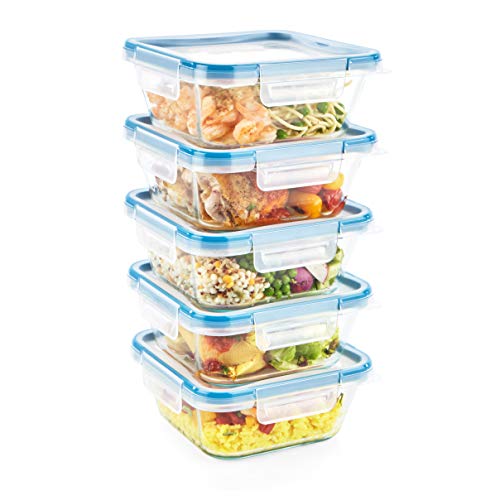
Glass containers, stainless steel, silicone with disclosure, mason jars






Related Articles
Rainy Sunday Refresh: H&M Home
A Rainy Sunday Refresh Excerpt / Preview A rainy afternoon, a food court lunch with kids, one last t...
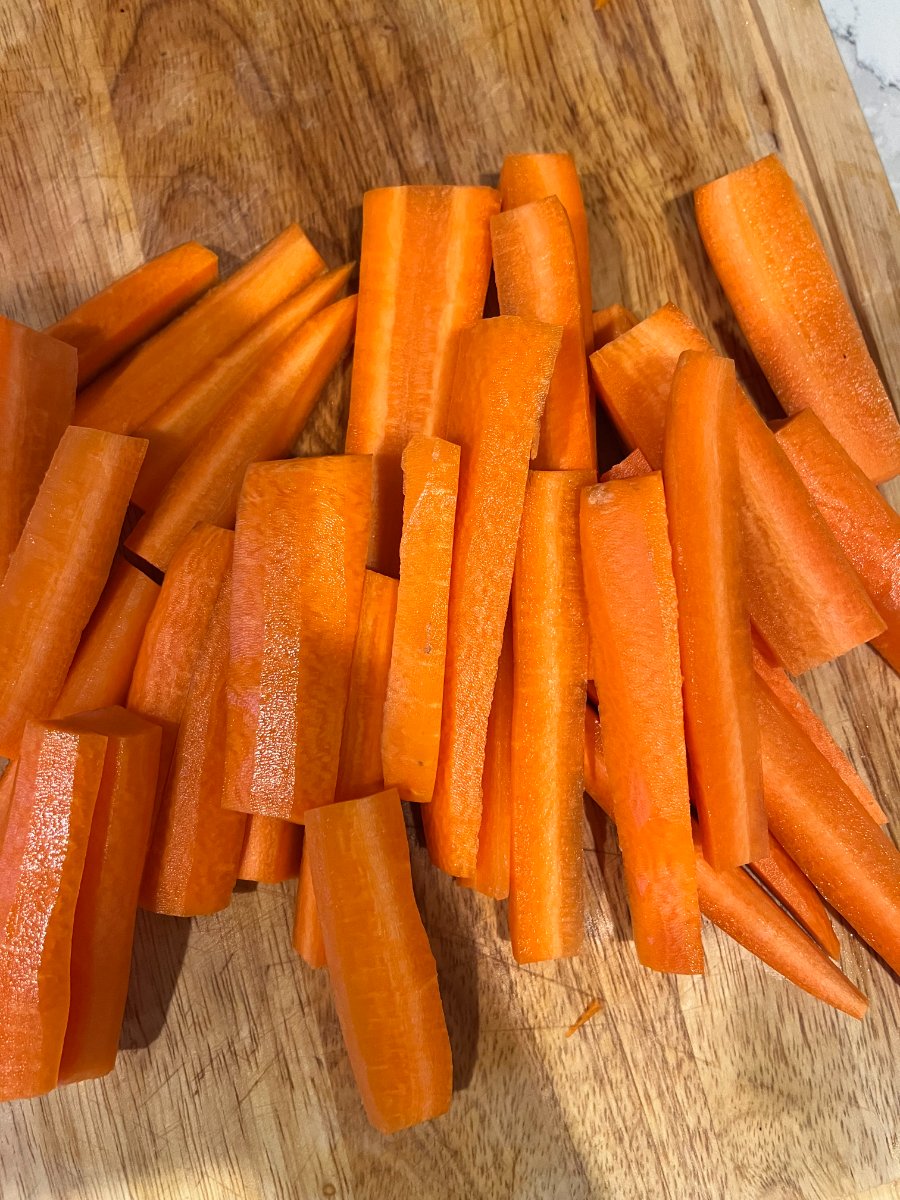
How I (Don’t) Meal Plan
I quit forcing meal planning systems that never worked for me and embraced a simpler approach instea...

What I'd Tell a Friend Who Wants to Start Switching
You don't need to overhaul your house this weekend. Start by removing more than you replace, and giv...
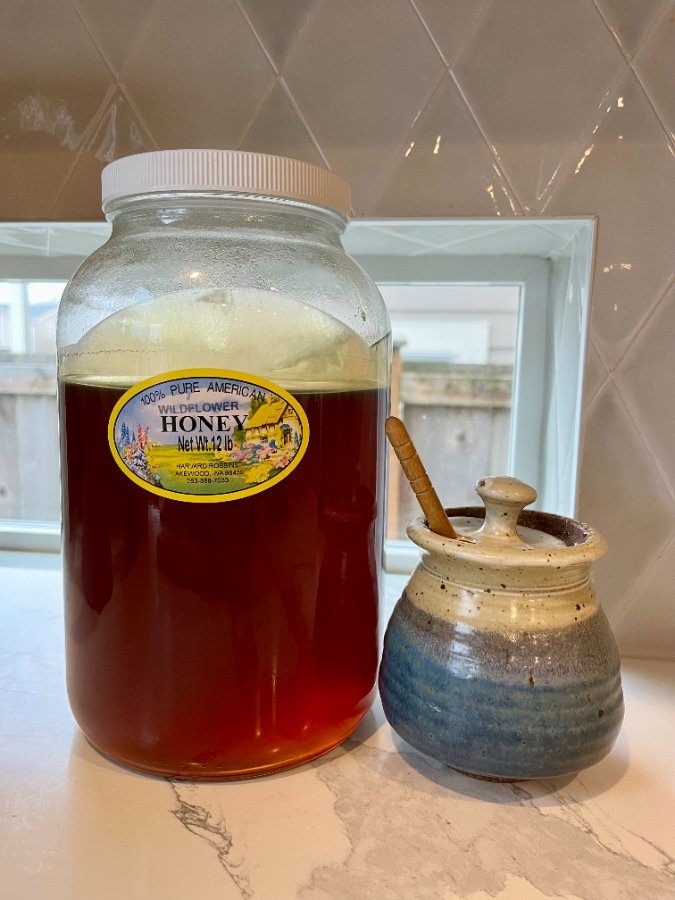
Honey
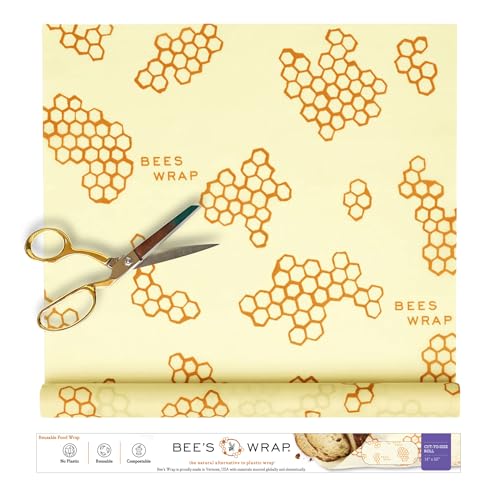
Raw, local honey is a favorite pantry staple. I loved learning about honey and honeybees working at ...
Frequently Asked Questions
What should I look for when buying non-toxic food storage?
1. Plastic leaching (especially with heat and acidity) 2. BPA/BPS in container lids and plastics 3. PFAS in "compostable" or "grease-proof" packaging
What ingredients should I avoid in food storage?
Soft plastics, heating food in plastic, old/scratched plastic containers
How do I care for non-toxic food storage?
Glass is oven, microwave, freezer, and dishwasher safe — the most versatile option. Stainless steel is not microwave safe. Silicone bags can go in the dishwasher. Never microwave plastic, even if labeled microwave-safe.
What greenwashing should I watch for with food storage?
"BPA-free" plastics often use BPS or other bisphenols. "Compostable" takeout containers may contain PFAS for grease resistance. "Food-grade" silicone doesn't guarantee purity — look for platinum-cured.
Trusted Brands
Pyrex, Snapware, Glasslock, Weck, Ball, Stasher, Zip Top, LunchBots, ECOlunchbox, PlanetBox, Klean Kanteen