
Best Non-Toxic Kitchen Appliances
Curated non-toxic kitchen appliances alternatives researched for ingredient safety and effectiveness
7 products in this category. View all Kitchen & Pantry · Ask our AI
What to Look For
All-stainless or all-glass water pathway (reservoir, tubing, fittings), borosilicate glass carafes, stainless steel kettles with no plastic contact below the waterline, platinum-cured silicone gaskets, BPA/BPS-free with full material disclosure, PTFE-free cooking surfaces

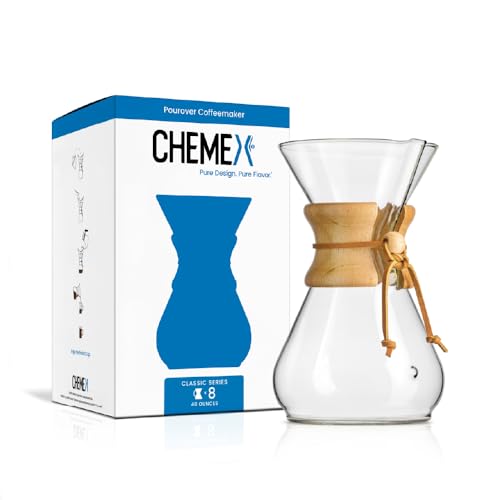


Related Articles
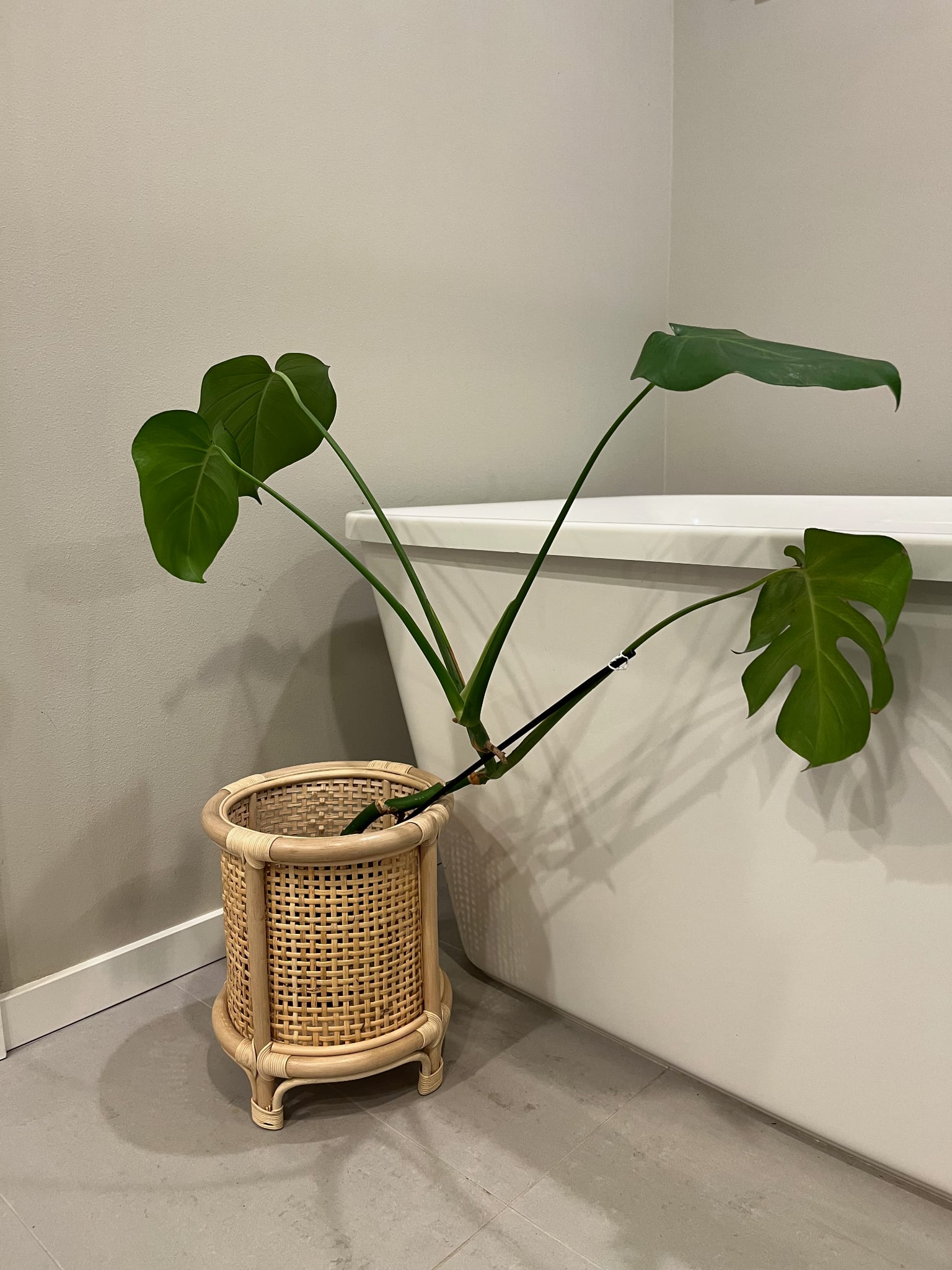
Rainy Sunday Refresh: H&M Home
A Rainy Sunday Refresh Excerpt / Preview A rainy afternoon, a food court lunch with kids, one last t...
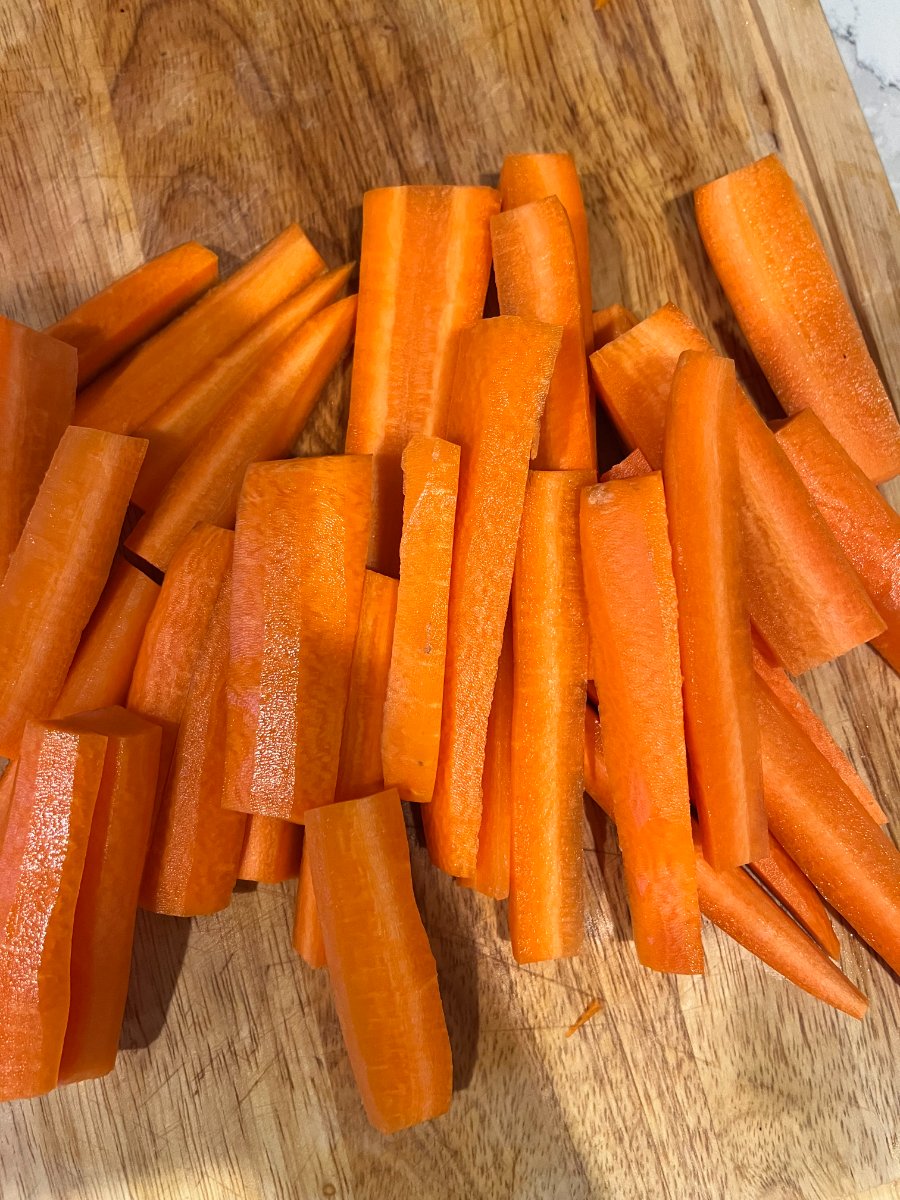
How I (Don’t) Meal Plan
I quit forcing meal planning systems that never worked for me and embraced a simpler approach instea...

What I'd Tell a Friend Who Wants to Start Switching
You don't need to overhaul your house this weekend. Start by removing more than you replace, and giv...
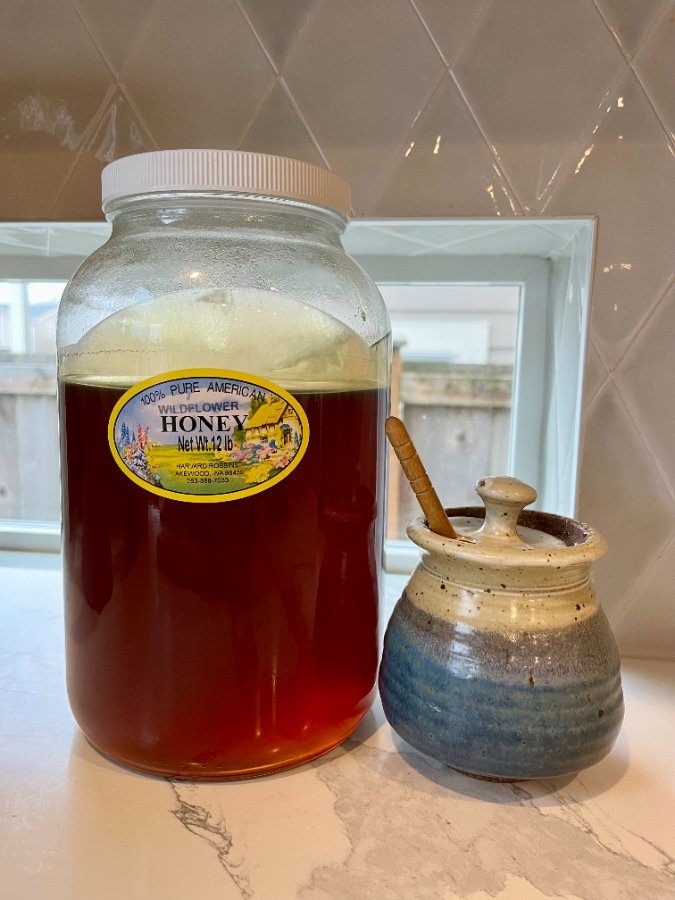
Honey
Raw, local honey is a favorite pantry staple. I loved learning about honey and honeybees working at ...
Frequently Asked Questions
What should I look for when buying non-toxic kitchen appliances?
1. Internal plastic water pathways — most coffee makers and kettles route hot water through plastic tubing, reservoirs, and fittings that are never visible to the consumer. This is the #1 concern because hot water sits in or flows through these plastics every single brew 2. BPA, BPS, and other bisphenols in heating components — "BPA-free" plastic still contains BPS, BPF, or other bisphenol variants that may be equally concerning. Heat increases leaching exponentially 3. Silicone vs. plastic gaskets and seals — food-grade silicone is far more stable under heat than plastic, but cheap silicone can contain fillers. Look for platinum-cured silicone 4. "Stainless steel" exterior marketing — many products are marketed as stainless steel when only the exterior shell or carafe is stainless. The water reservoir, internal tubing, brew basket, and fittings may all be plastic. The water never touches the stainless steel part 5. Nonstick coatings on heating surfaces — some air fryers, toaster ovens, and waffle makers use PTFE (Teflon) or similar coatings on cooking surfaces that can degrade and off-gas at high heat 6. Lead in heating elements and solder — older or cheap imported appliances may use lead-containing solder in heating elements
What ingredients should I avoid in kitchen appliances?
"Stainless steel" coffee makers where only the carafe is stainless but the entire water pathway is plastic. Single-serve pod machines (K-cups) — hot water is forced through a small plastic pod at high pressure and temperature, maximizing leaching. Plastic electric kettles — the entire boiling chamber is plastic. Appliances with no material disclosure for internal components. "BPA-free" without saying what WAS used instead. Nonstick-coated air fryer baskets and toaster oven trays (PTFE at 400°F+)
How do I care for non-toxic kitchen appliances?
Descale coffee makers and kettles monthly with white vinegar (run a cycle, then 2-3 plain water cycles). Stainless steel interiors can be cleaned with baking soda paste. Replace silicone gaskets when they show wear, discoloration, or retain odors. Glass carafes are fragile — handle with care but worth it for inert food contact. If you cannot replace your plastic-interior coffee maker right now, use the coldest brew setting or switch to cold brew to minimize leaching.
What greenwashing should I watch for with kitchen appliances?
"Stainless steel" is the biggest trick in this category — it almost always refers to the exterior or the carafe, not the water pathway. Ask: does the water ONLY touch stainless steel and glass from reservoir to cup? "BPA-free" on a plastic kettle still means you're boiling water in plastic — BPS and other replacements may be no better. "Thermal carafe" sounds premium but says nothing about what the water touched before reaching the carafe. "European design" or "German engineering" are not safety certifications.
Trusted Brands
Technivorm Moccamaster, Ratio, Chemex, Hario, Bialetti, Fellow (Stagg EKG kettle), Cuisinart PurePrecision, Breville (select stainless models), OXO Brew (stainless water path models), Vitamix (glass container option), Zwilling Enfinigy, Bonavita